
Unit 1, 39 Gransden Avenue, E8 3QA, London, UK
Thursday - Saturday, 12-6pm, and by appointment
upcoming:
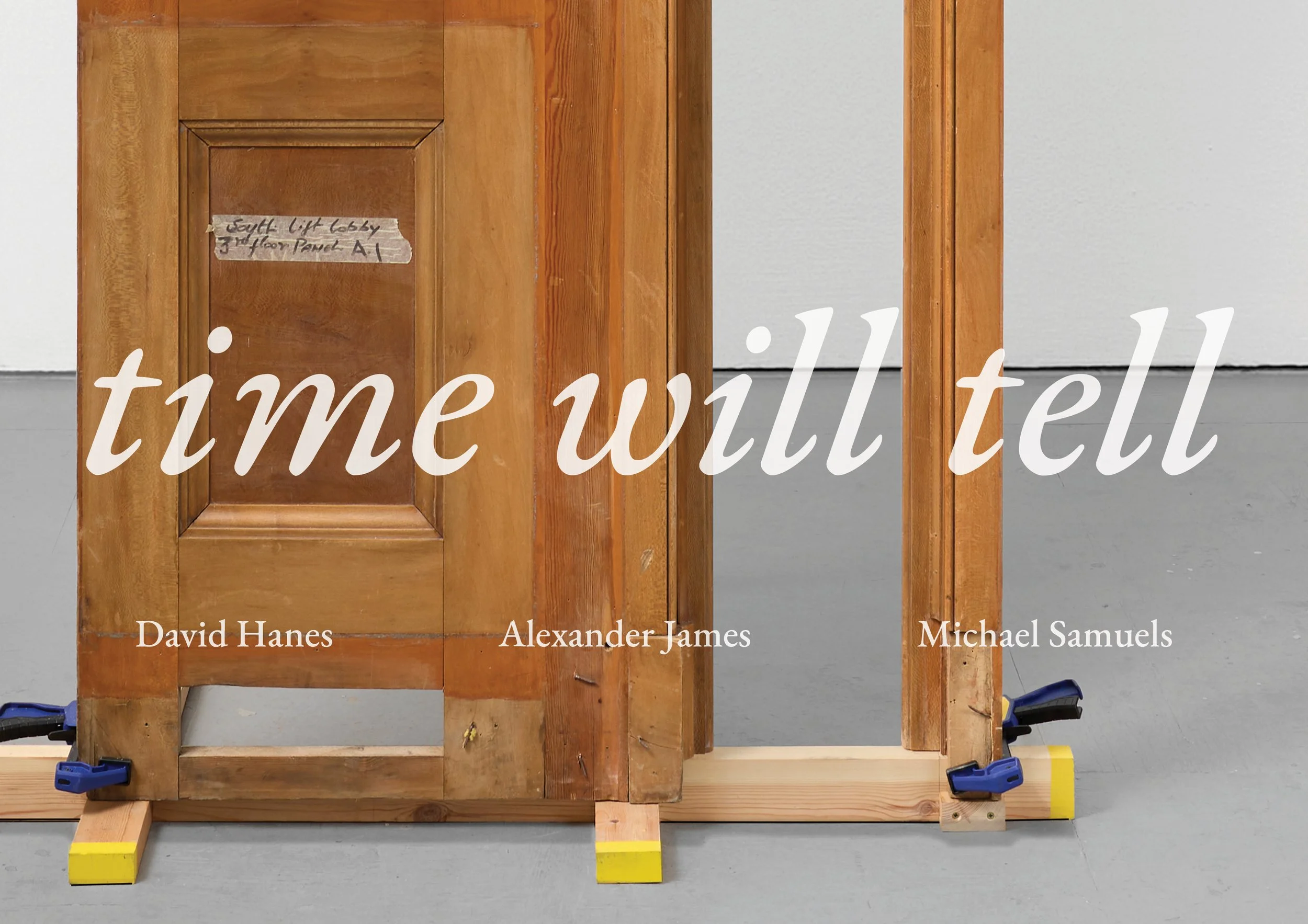
time will tell
David Hanes, Alexander James and Michael Samuels
opening Thursday October 29th, 6-9pm
current:
Between Seeing
Haseebah Ali, Emmanuel Awuni, Sara Berman, Jai Chuhan, Dale Lewis, Yushi Li, Djofray Makumbu, Gideon Rubin, Yevgen Samborsky and Maya Thacore
until October 24th, 2026
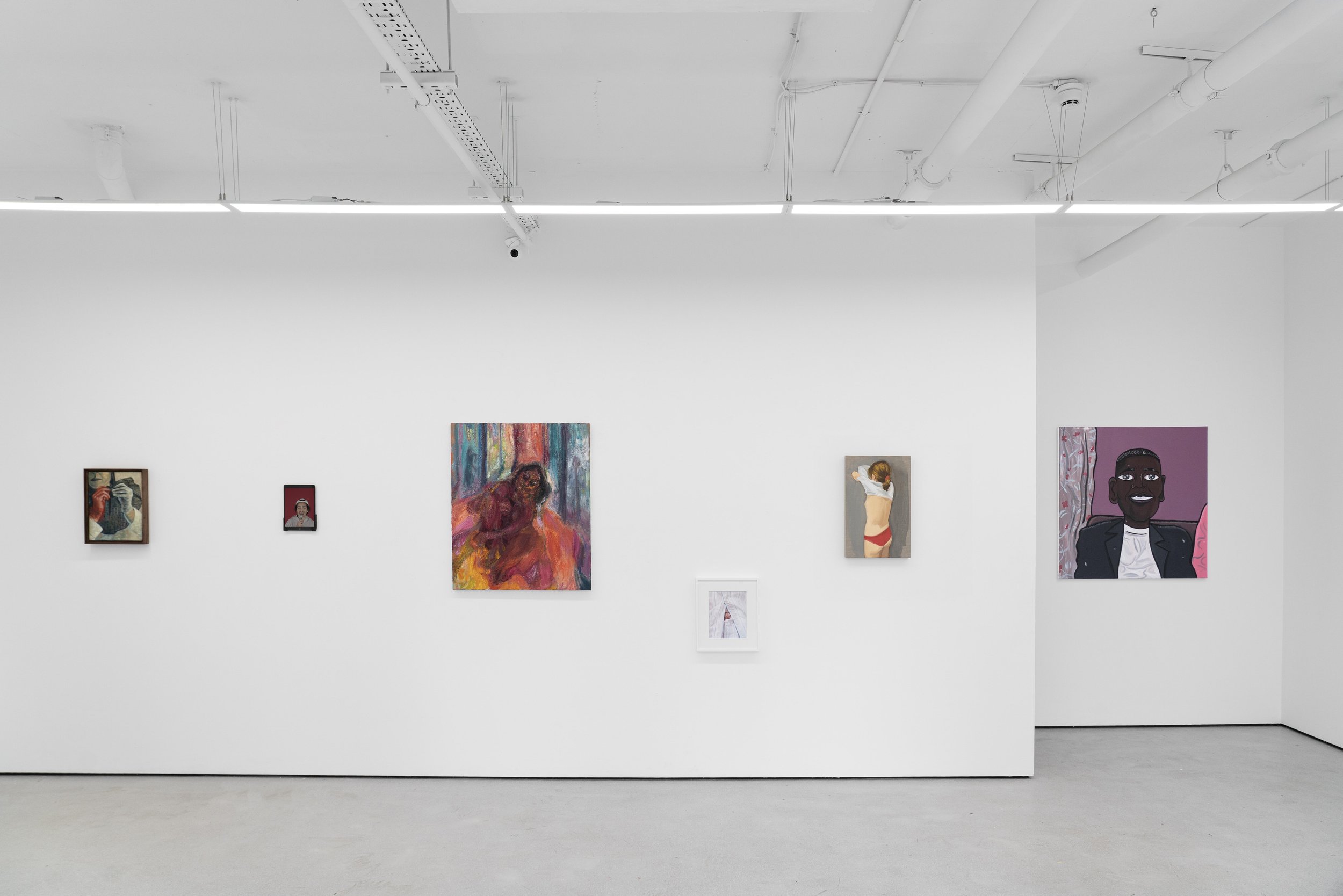
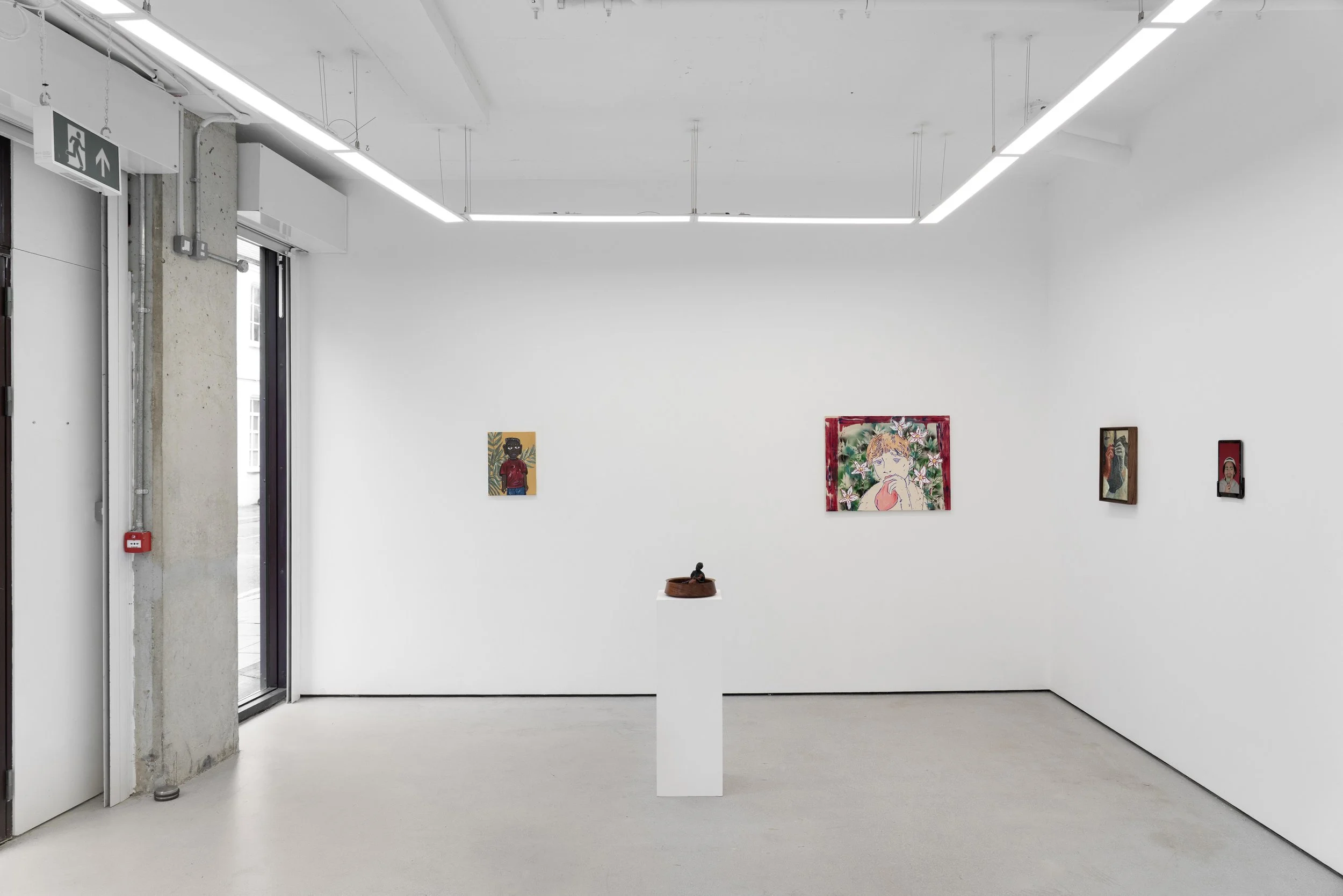
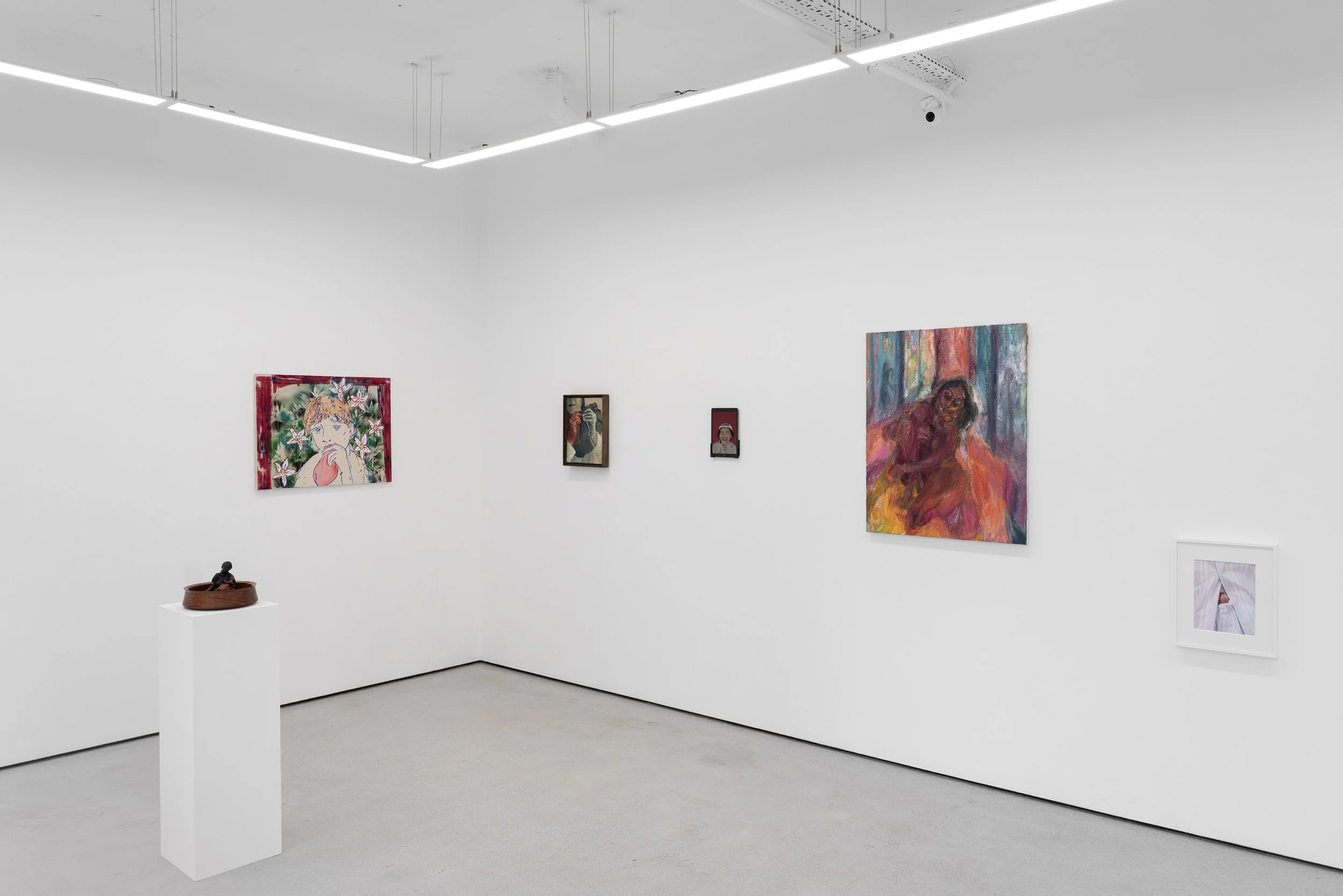
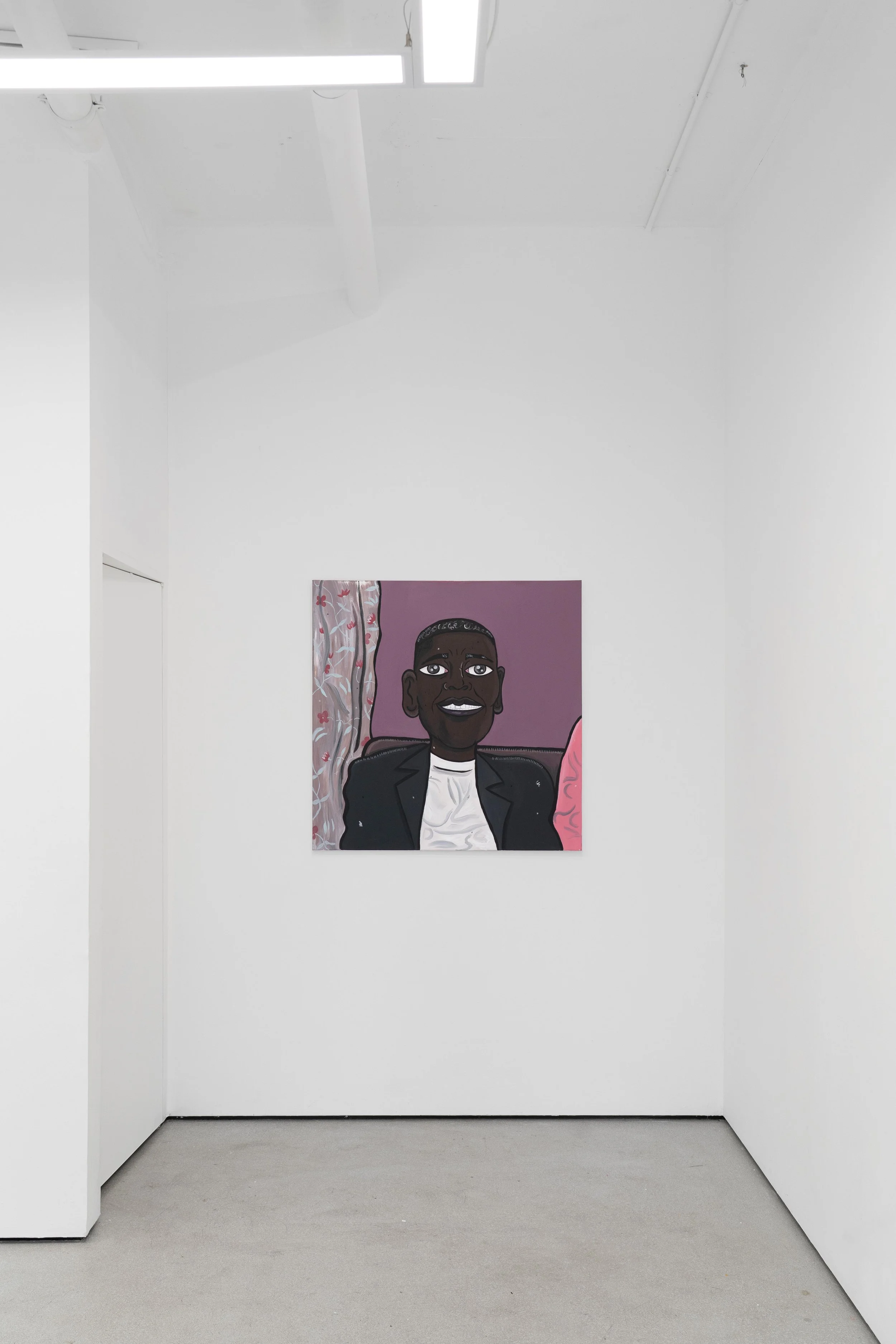
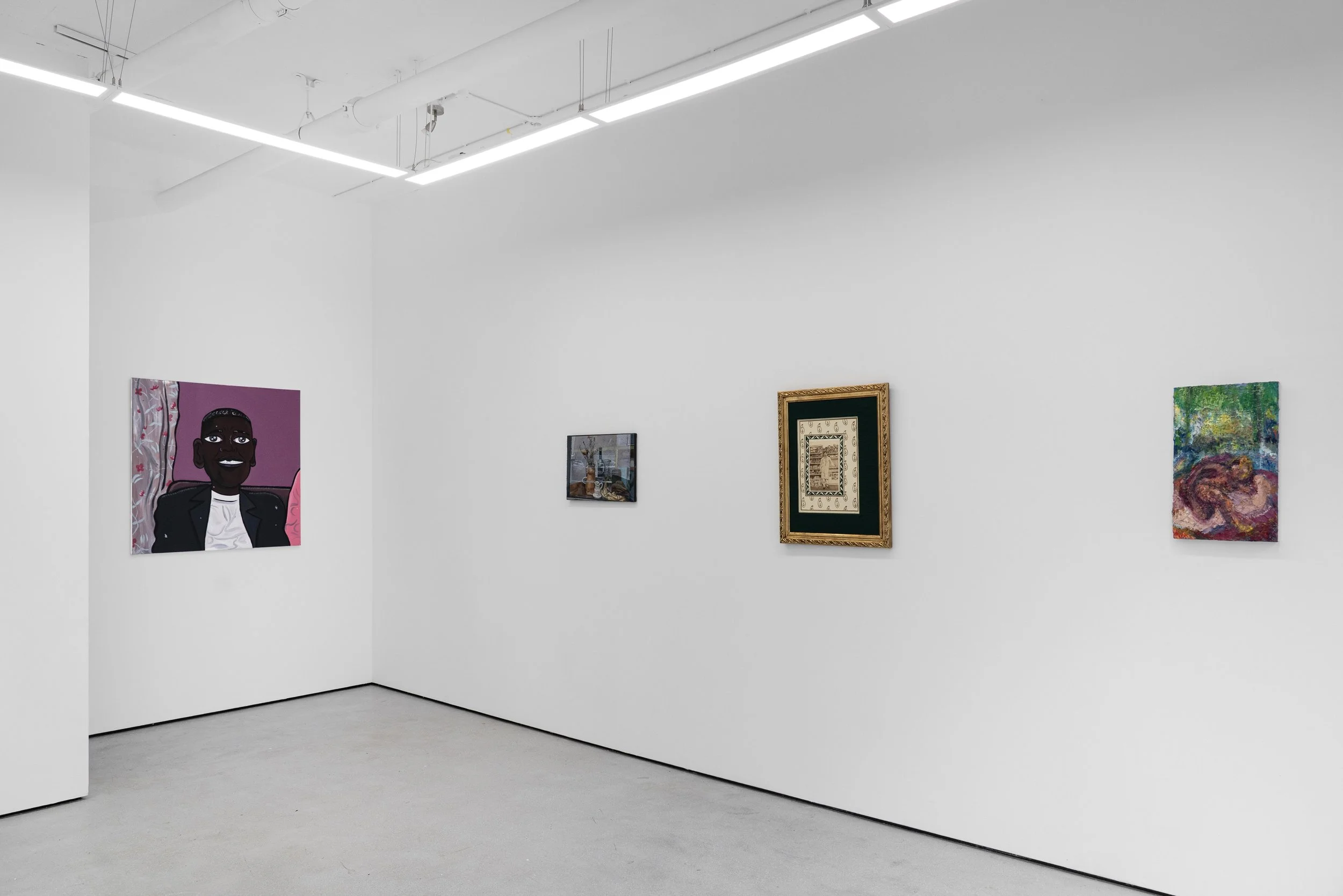
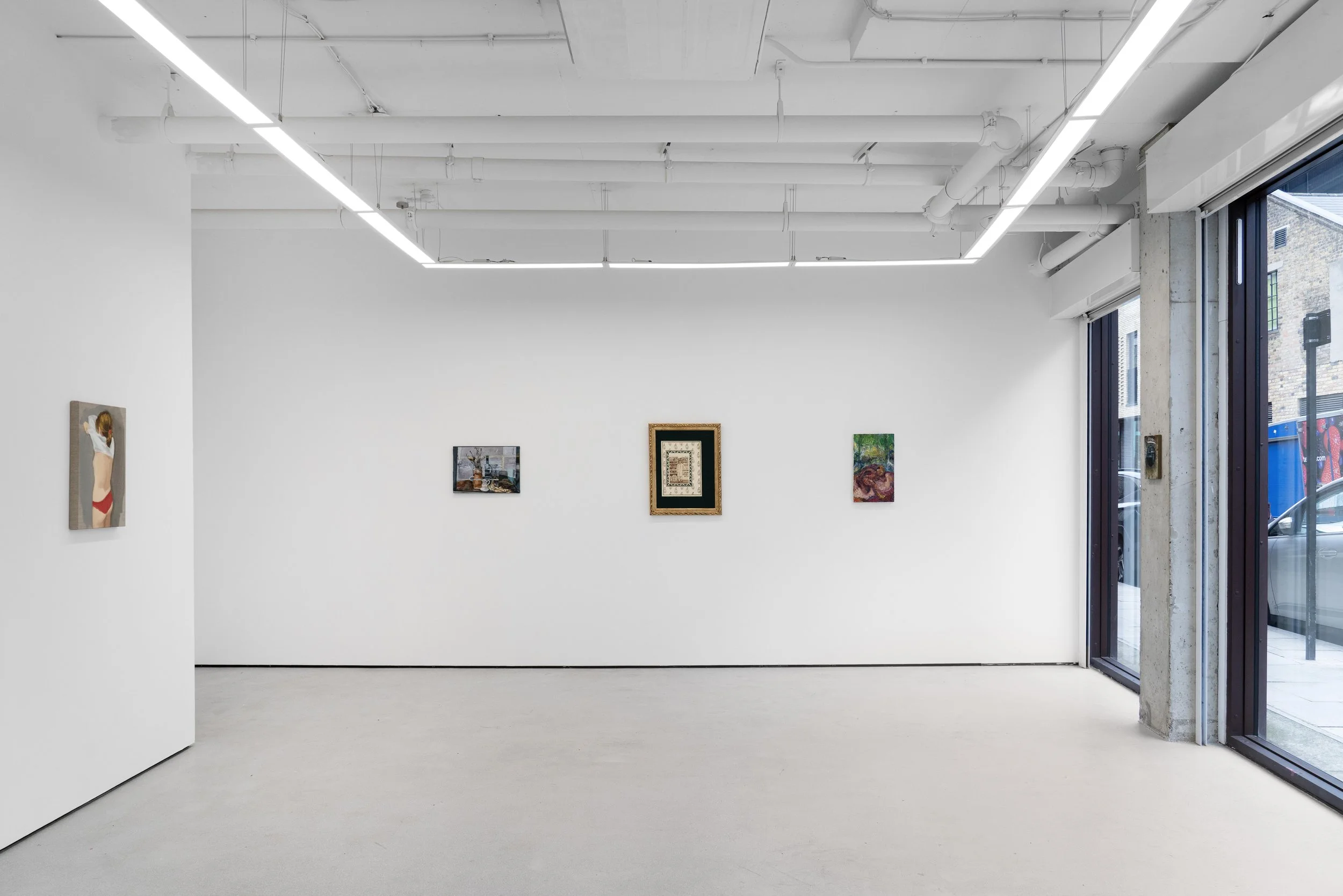
The artists in Between Seeing are interested in what happens when we look... at another person, ourselves, the world around us. We’re living in a time of endlessness. There is always something else to look at. It’s constant.
How quickly we read a person, a situation, a look. How much do we fill in ourselves without even realising.
What can we understand from a face, a body, a gesture or a situation? How much of what we see belongs to the person in front of us, and how much comes from our own assumptions, experiences and expectations?
For much of my life, I’ve struggled with how I am perceived by other people. I’m quick to assume what people are thinking of me, and often I go straight to the worst-case scenario. Now, I challenge that in myself.
To pause before deciding what something means, and remind myself that what I think I’m seeing isn’t necessarily the whole story.
Opening a gallery has given me a further opportunity to explore that way of thinking through the work I bring together. Not to arrive at one answer, but to listen and ask questions.
There are stories behind these works, histories and intentions. They are there if you want to look further, but perhaps they don’t need to come first. You can spend time with the work, make your own connections, and then decide if you want to know more.
Between Seeing sits in that space between looking and understanding, between what is presented to us, what we bring to it ourselves, and what the artist chooses to tell us.
This exhibition is an opportunity to slow that process down. To spend a little longer looking.
To question our first impressions. And to consider what might exist in the space between what we see and what we think we know.
The artists have made the work. The exhibition brings it into the room.
What happens next belongs to you.
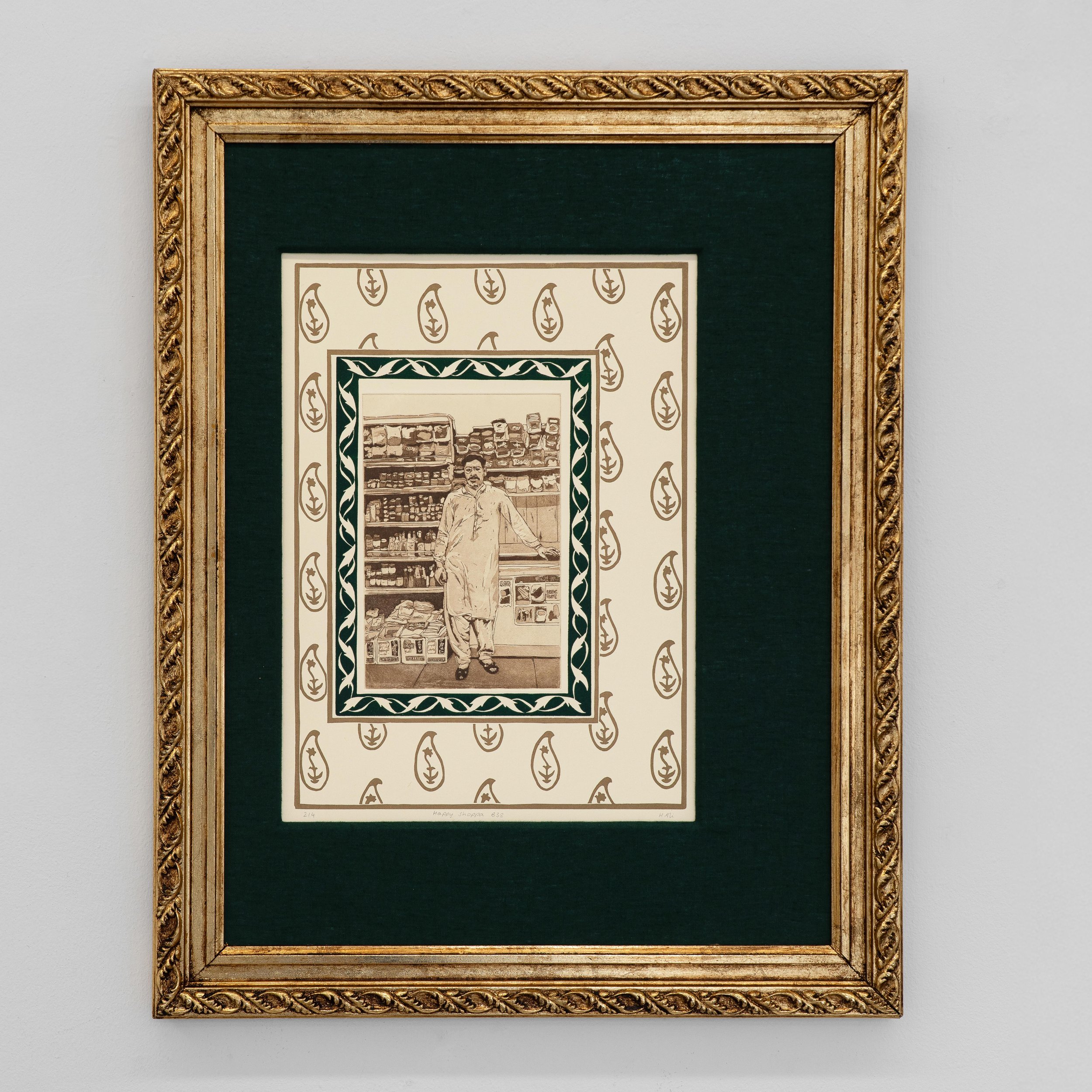
Haseebah Ali | Happy Shoppa B38 | 2026 Hardground etching and aquatint with relief print, linen in antique frame | edition 2 of 4 | 68 x 54 cm | 26.8 x 21.3 in [framed]

Emmanuel Awuni | Mother and child | 2026 | Plasticine and wire in Koa wood bowl | 14h. x 24d. cm | 5.5h. x 9.5d. in

Sara Berman | White Glove, Red Glove | 2026 Oil on linen | 37 x 28.5 cm | 41 x 32 x 5 cm [framed]

Sara Berman | Untitled | 2025 | Pen on paper in walnut frame | 40.5 x 31.5 cm | 16 x 12.4 in [framed]
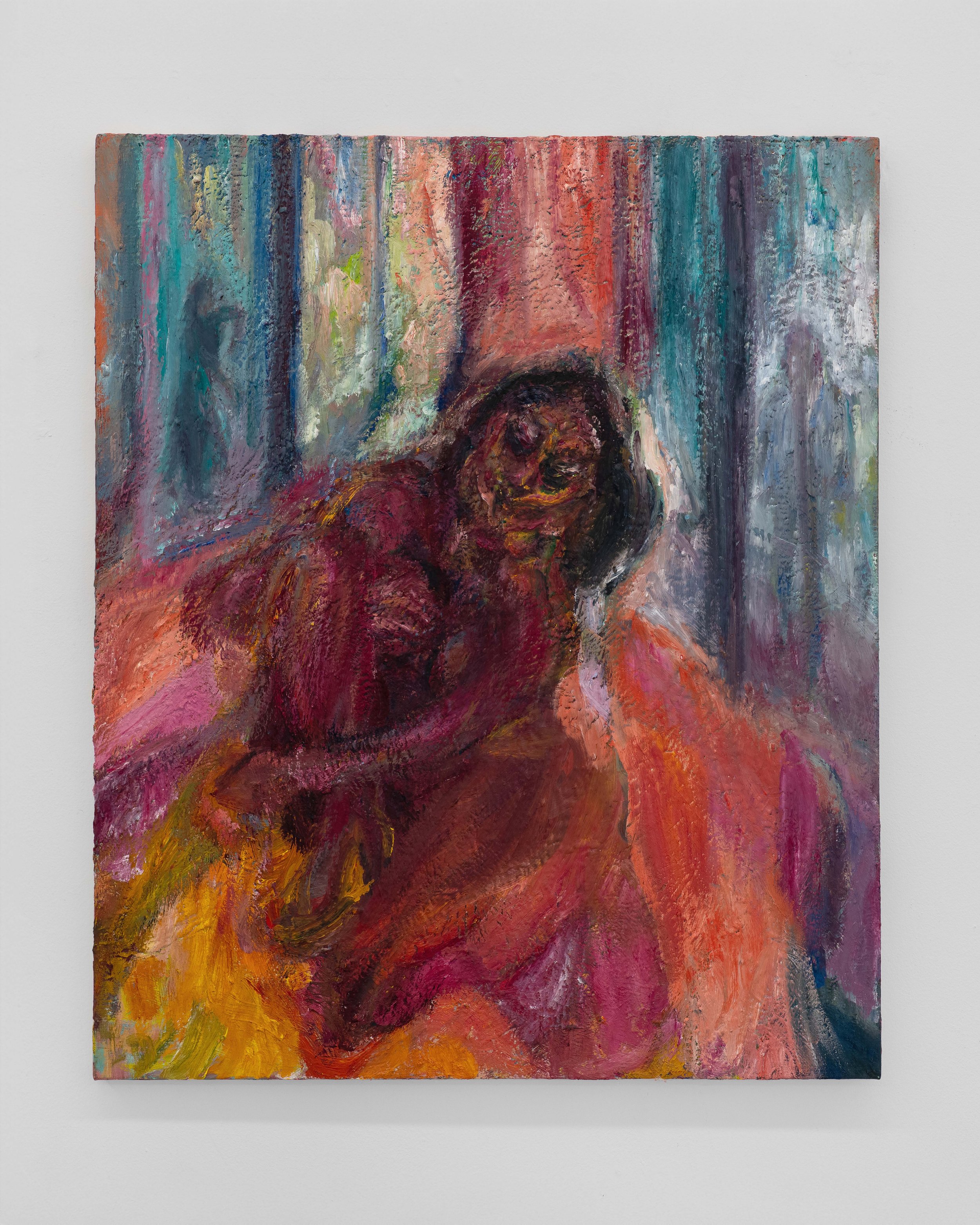
Jai Chuhan | Presence I 2026 Oil on canvas | 90 x 75 cm | 35.4 x 29.5 in
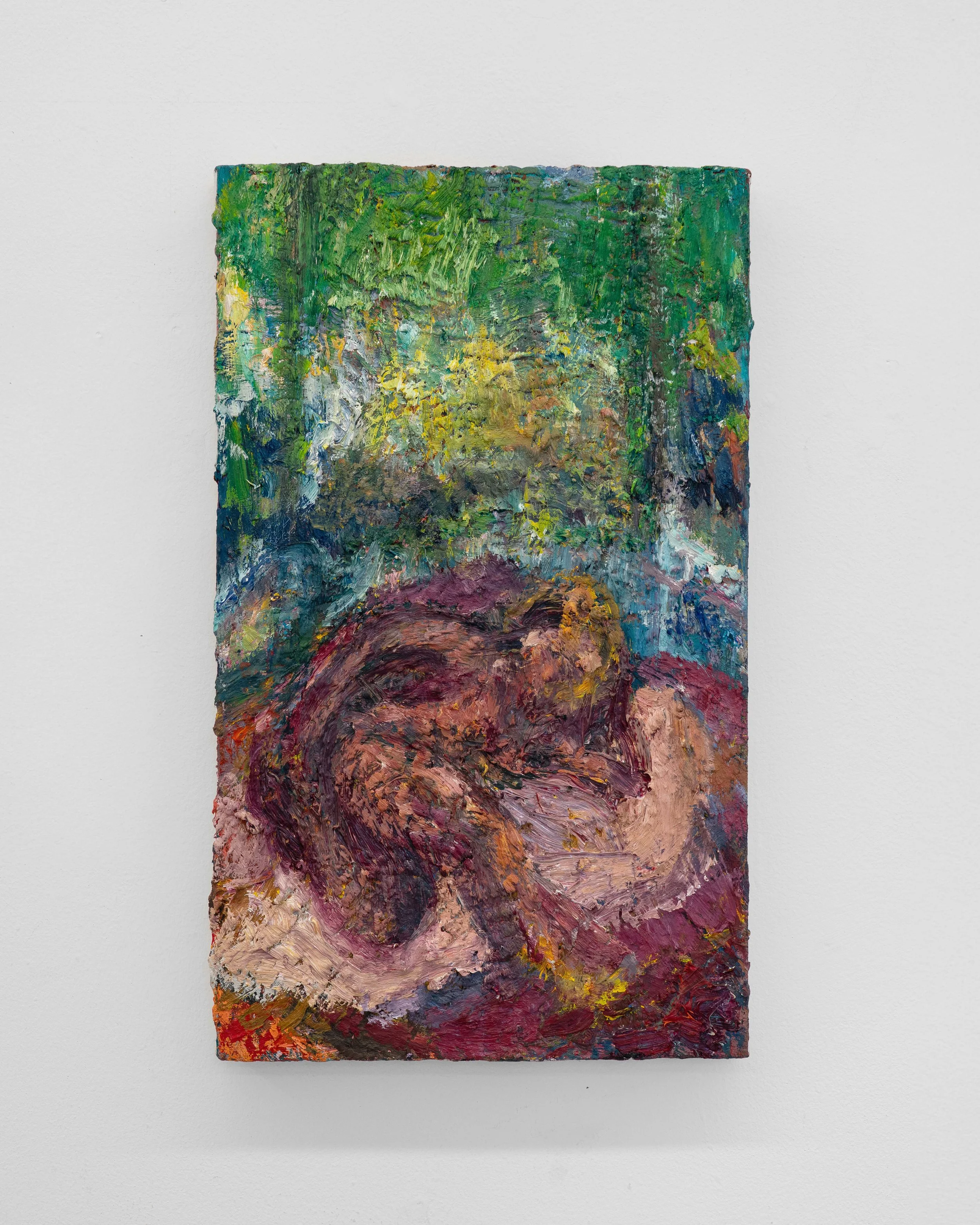
Jai Chuhan | Summer | 2026 | Oil on canvas | 51 x 30.5 cm | 20.1 x 12 in
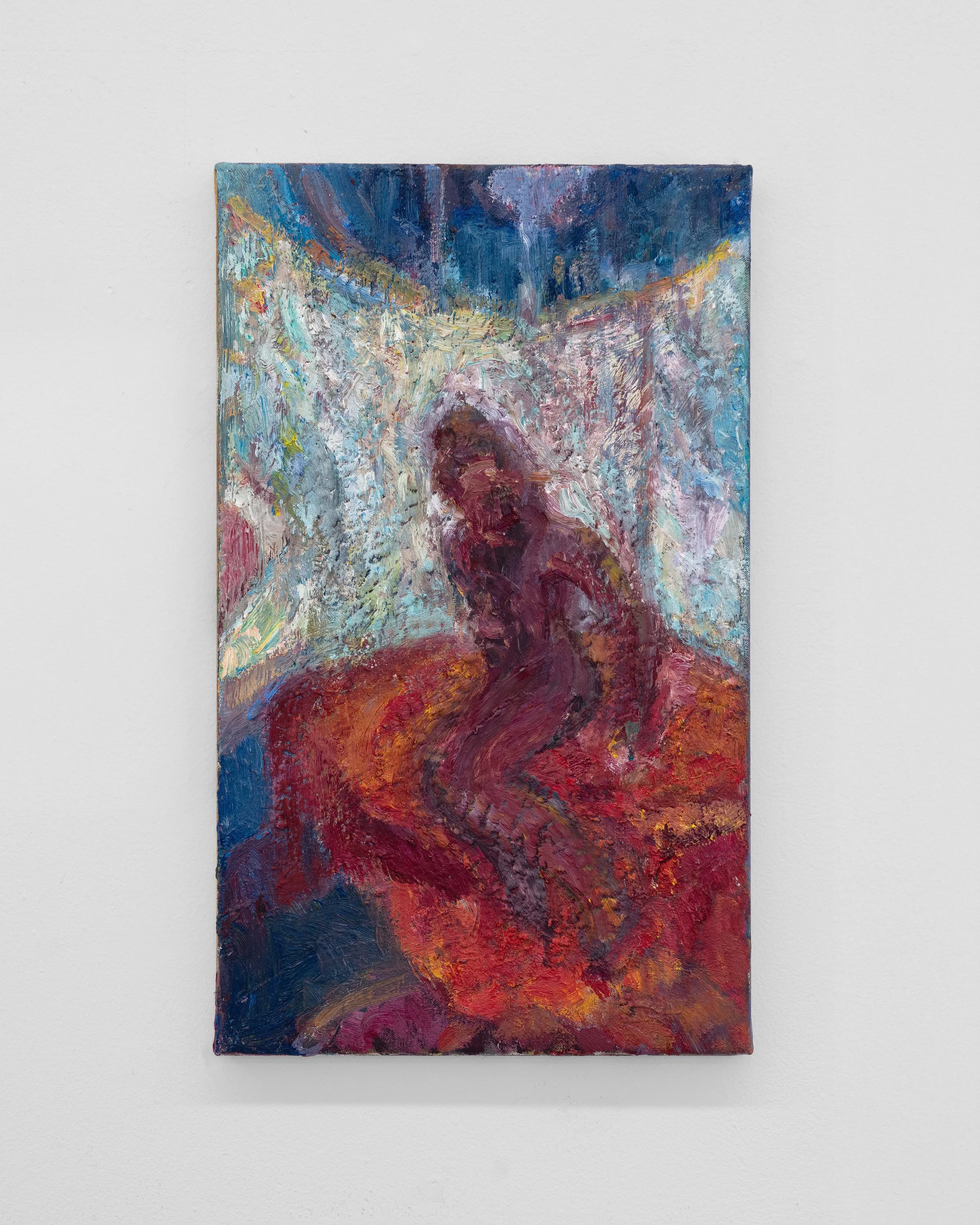
Jai Chuhan | Waiting | 2026 | Oil on canvas | 50 x 30 cm | 19.7 x 11.8 in
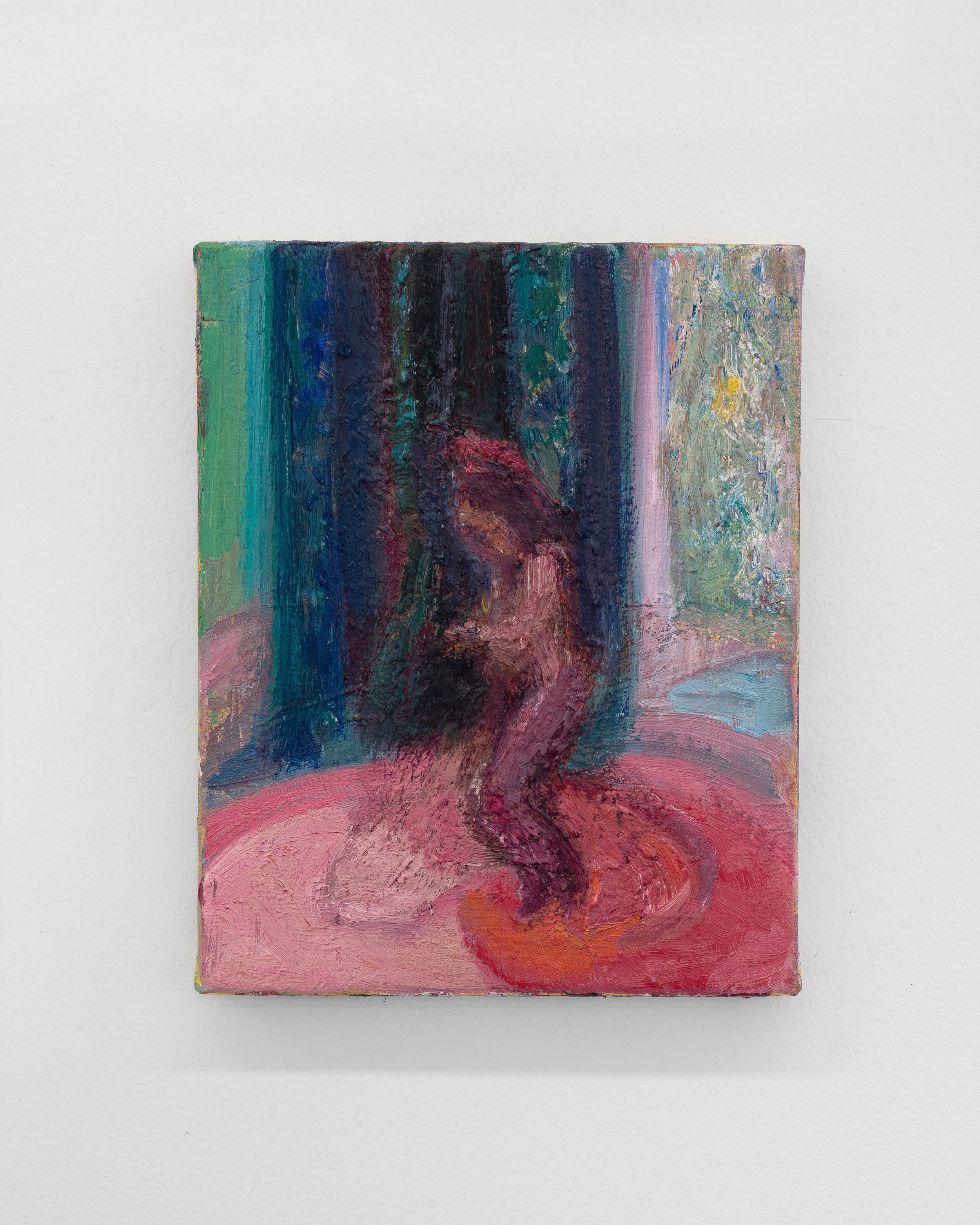
Jai Chuhan | Performance | 2026 | Oil on canvas | 25 x 20 cm | 9.8 x 7.9 in

Dale Lewis | Huffer | 2026 | Oil and spray paint on canvas | 61.5 x 81 cm | 24.2 x 31.9 in
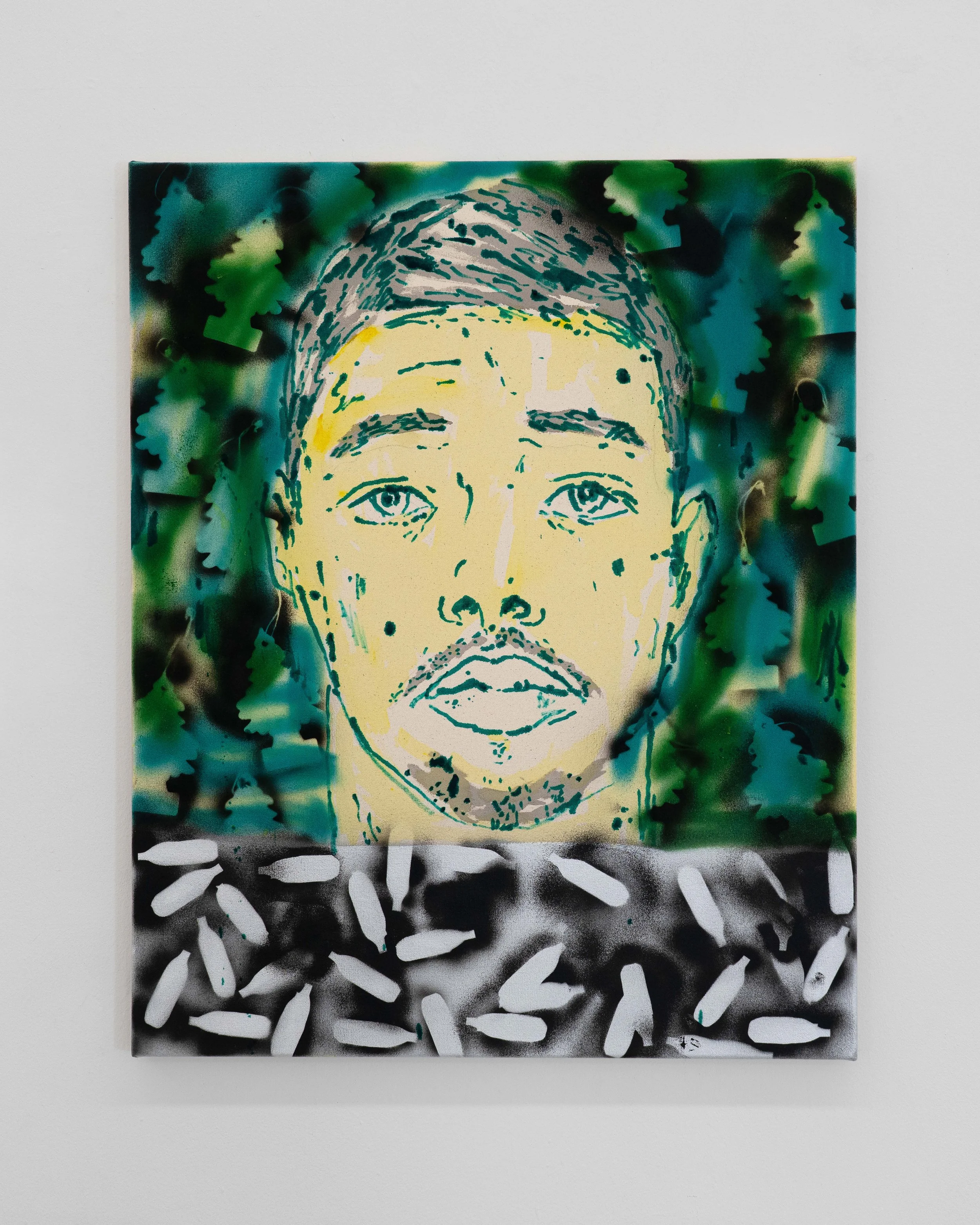
Dale Lewis | Magic Tree | 2026 | Oil and spray paint on canvas | 75 x 60.5 cm | 29.5 x 23.8 in

Yushi Li| Untitled (night) | 2022 | Analogue C-type, edition 2 of 10 + 2 AP | 40 x 34 cm | 15.8 x 13.4 in [framed]

Yushi Li | Untitled (day) | 2022 | Analogue C-type, edition 3 of 10 + 2 AP | 40 x 34 cm | 15.8 x 13.4 in [framed]
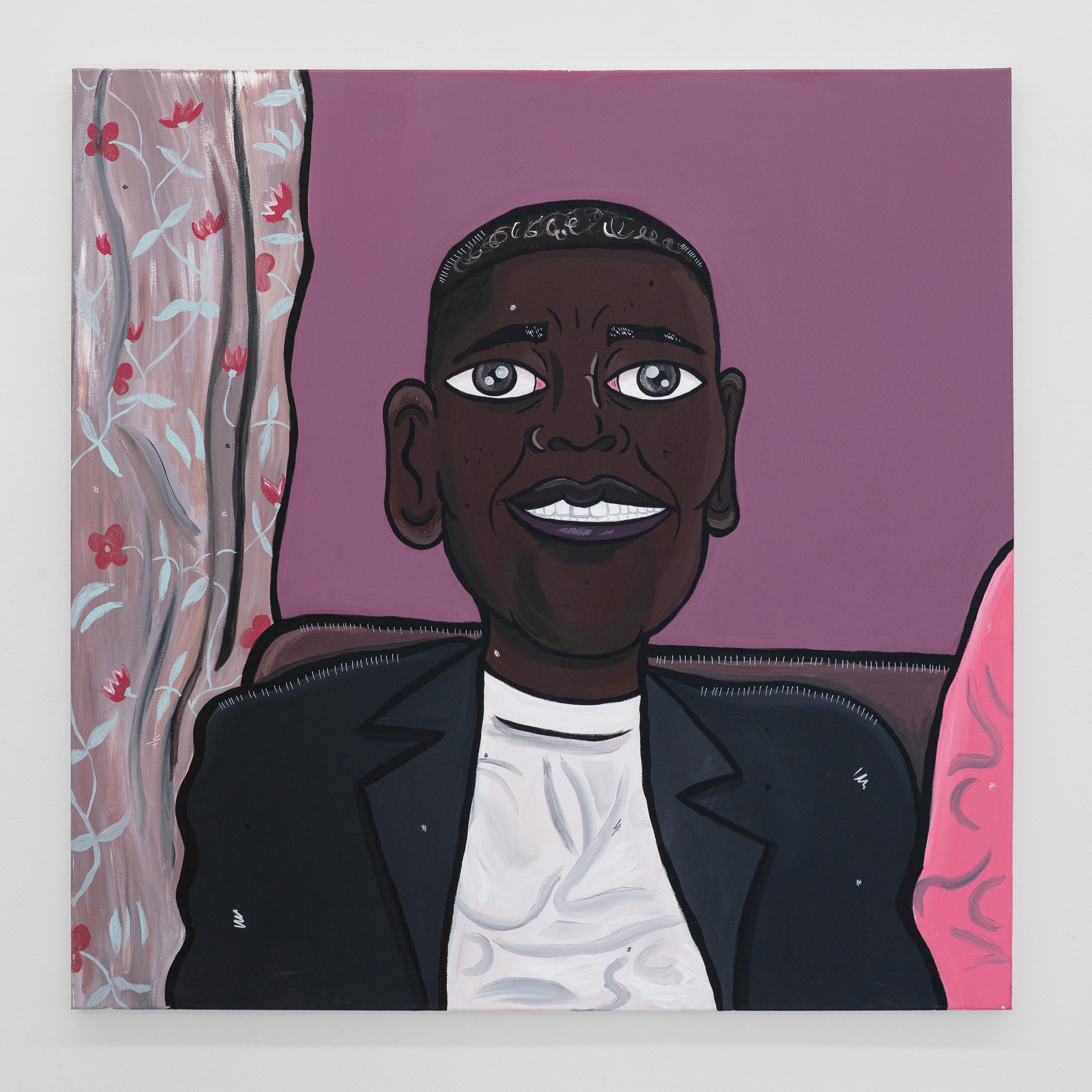
Djofray Makumbu | WEMBA | 2025 | Ink and acrylic on canvas | 100 x 100 cm | 39.4 x 39.4 in

Djofray Makumbu | DVON | 2025 | Ink and acrylic on canvas | 40 x 30 cm | 15.7 x 11.8 in

Red Knickers (Undressing I) | 2026 | Oil on linen | 59 x 35 cm | 23.2 x 13.8 in

Red Knickers (Undressing II) | 2026 | Oil on linen | 59 x 35 cm | 23.2 x 13.8 in

Yevgen Samborsky | Still Life from the University | 2026 | Oil, acrylic, soil, sand, and dust on canvas | 35 x 50 cm | 13.8 x 19.7 in

Yevgen Samborsky | Studio, Reflection | 2025 | Oil, acrylic, soil, sand, dust on canvas | 24 x 18 cm | 9.5 x 7 in

Yevgen Samborsky | Forget-Me-Nots, One of the first digital photographs I took with my first digital camera | 2026 | Oil, acrylic, soil, sand, and dust on canvas | 45 x 35 cm | 17.7 x 13.8 in
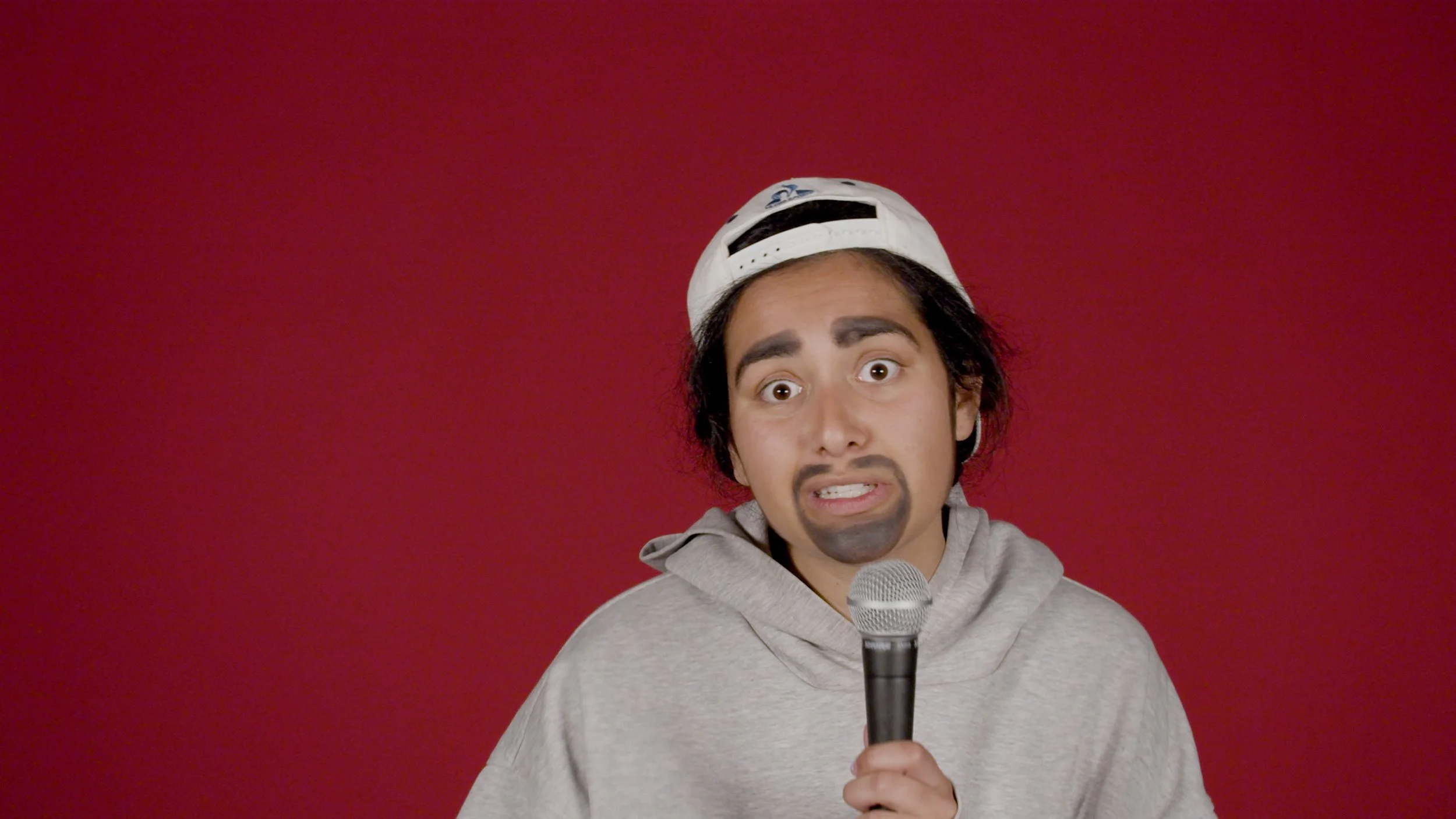
Maya Thacore | Punchline Response | 2026 | Still from video work | 8min 01sec
Emmanuel Awuni’s sculptural practice brings stories from different times and places into the present through his own narrative, moving between histories and experiences and considering how they shape what we carry forward.
The image of the Mother and Child is universal, carrying love, protection and loss. It speaks to something deeply human, the desire to care for, the fear of loss. That reality remains painfully present in a world where children continue to experience war and violence. Plasticine and wire sit inside a Koa wood bowl, bringing different materials and histories into the same space. It asks what we choose to elevate, what we preserve, and what that reveals about how we value human life.
Djofray Makumbu’s paintings draw from the culture that surrounds him, bringing the ambiance of family gatherings and moments of connection within. Inspiration is taken from old family photographs, captured in each other’s homes, revealing different layers of family that grow into a wider sense of community.
The paintings hold onto the energy of those moments. There is a sense of looking from outside in, absorbing us into the scene to notice and ask questions. We are looking at a different time, another life, something we cannot quite touch yet feeling their presence.
There is something unnerving and unsettling in Dale Lewis’s painting, but also a sense of familiarity. His paintings explore intimate, singular moments from his experience, while speaking to wider issues within the society around him. What initially feels recognisable can shift, reminding us that things are not always as they seem and that something ordinary can hold something much more confronting.
The boy surrounded by flowers sits in the uncertain space between innocence and adulthood, where experimentation, curiosity and risk begin to enter. There is a tension between what feels pure and safe and what sits beneath that surface.
Sara Berman’s work explores herself and states of being through representations of characters. With a background in fashion design, questions of appearance and presentation naturally sit within the work. Her figures are distinctly her, but not… they are characters caught between contrasting identities and personalities.
Gloves can conceal and protect while removing the traces that might identify us. Their colours differ suggesting alternative sides of a personality, hinting at the complexities of how we present ourselves and what might sit beneath that presentation.
Maya Thacore uses herself as a starting point, exploring character, performance and comedy through the uncomfortable spaces of social interaction. She embodies a character through behaviours we recognise from everyday social situations, using performance to step into another way of being and see what it reveals.
The motivation for the work is emotional. It comes from a feeling of not being safe, and a desire to examine how humour is copied, repeated and rehearsed. By repeating these behaviours herself, she is trying to understand something about why we behave this way, though exactly what she is looking for remains unclear.
Jai Chuhan’s paintings place the body at the centre, exploring how we look, and how we experience and understand a person. Her figures often appear caught between vulnerability and assertion, shifting between being observed and taking control of the space around them.
There is a sense of something being witnessed, but never fully revealed. The body becomes both a physical presence and a way of communicating, what is shown, what is held back, and what might exist beyond what we can see.
Yushi Li’s photographs explore the act of looking and the shifting relationship between the photographer and her subject. Her figures appear vulnerable, exposed and watched, while at the same time holding a sense of control.
Desire and looking become intertwined, unsettling the familiar relationship between the person looking and the person being looked at. The balance can shift: who is watching, who is being watched, and who is really in control?
Gideon Rubin paints from photographs he has taken of live models, hiding details that define who they are. We are given a figure, an act, a moment, but very little else. Without a clear identity, the person remains open, and we are left to bring our own associations and imagination.
The work gives permission to create a narrative. We might recognise something familiar, imagine who they are, or place ourselves within the scene. There is so much room for projection. What we see becomes personal, shaped by our own experiences and what we bring to it.
Yevgen Samborsky’s paintings are rooted in looking. He works from his own vast archive of digital images, photographs of his life. The photographs exist on a screen, and as he looks at them, the space around him is reflected back over the image. A phone, an eye, light or a silhouette can appear across the photograph, bringing the present into an image from another time or place.
There is something intimate in these moments of looking, the past is there, the present is here, and time sits between them. We cannot see that time, but we feel it.
Haseebah Ali’s work centres on people and the spaces they inhabit, exploring how stories of identity and belonging become embedded in everyday places. Her work with corner shops brings together family histories and the wider role these spaces play in British life.
The corner becomes significant: a place at the edge, yet one that can become a centre of community, familiarity and exchange. Through photographs, pattern and print, she draws attention to the people, places and stories that might otherwise go unnoticed.